Introduction to RMM Software for MSPs
Remote Monitoring and Management (RMM) software is a crucial tool for Managed Service Providers (MSPs). It allows them to remotely monitor, manage, and support their clients’ IT infrastructure, improving efficiency and profitability. RMM software streamlines tasks, reduces downtime, and enhances client satisfaction. This is achieved through centralized control and automation, empowering MSPs to provide comprehensive IT services.
RMM software provides a central hub for managing multiple client systems, enabling MSPs to proactively address potential issues and optimize performance. By automating routine tasks, it frees up technicians to focus on more complex problems and strategic client initiatives. This, in turn, leads to greater client satisfaction and a stronger competitive advantage in the MSP market.
Core Functionalities and Benefits
RMM software offers a suite of functionalities that are critical for MSPs. These tools are designed to improve efficiency, reduce response times, and boost profitability. Key functionalities include remote device management, software deployment, patch management, and automated reporting. These capabilities contribute to a more streamlined and cost-effective service delivery model.
- Remote Device Management: This function allows MSPs to access and control client devices remotely, regardless of location. This is vital for troubleshooting, software updates, and security measures. For example, an MSP can remotely restart a server or install critical security patches without needing to physically visit the client site.
- Software Deployment: RMM software simplifies the process of installing and updating software across multiple client systems. This automation saves significant time and resources compared to manual deployment methods. A common use case is deploying security updates or new applications across an entire client network simultaneously.
- Patch Management: Proactive patch management is a key security function. RMM software automatically identifies and applies security patches to client systems, significantly reducing the risk of vulnerabilities and security breaches. This is especially critical in today’s threat landscape.
- Automated Reporting: RMM solutions generate detailed reports on system performance, security status, and other critical metrics. This provides valuable insights into client environments, enabling MSPs to identify potential problems early and offer proactive support. The insights from these reports can also be used to forecast future maintenance needs and resource allocation.
Different Types of RMM Software
RMM software comes in various forms, catering to different needs and budgets. The types range from basic solutions suitable for small MSPs to advanced and enterprise-grade options designed for larger organizations.
- Basic RMM Software: Suitable for smaller MSPs with limited client bases. These solutions typically focus on core functionalities like remote control and basic reporting. Basic RMMs are ideal for MSPs starting out and looking for a cost-effective way to manage a smaller number of clients.
- Advanced RMM Software: These solutions offer enhanced features, such as more sophisticated reporting, advanced automation, and potentially specialized integrations with other business tools. Advanced solutions are suited for growing MSPs with expanding client portfolios. Examples include support for various operating systems, improved security features, and advanced reporting.
- Enterprise RMM Software: Designed for large MSPs with extensive client portfolios and complex IT infrastructures. These solutions often come with scalability, high-volume support, and robust reporting tools. Enterprise solutions are often tailored to the specific needs of large organizations and require significant technical expertise.
Comparison of RMM Software Categories
| Category | Features | Pricing |
|---|---|---|
| Basic | Remote control, basic reporting, limited automation | Generally affordable, starting from a few hundred dollars per month. |
| Advanced | Advanced automation, more comprehensive reporting, integrations with other tools | Typically mid-range pricing, starting from a few thousand dollars per month. |
| Enterprise | High scalability, high-volume support, tailored solutions, advanced security features | Higher price points, often requiring custom pricing based on specific needs. |
Key Considerations for Choosing RMM Software
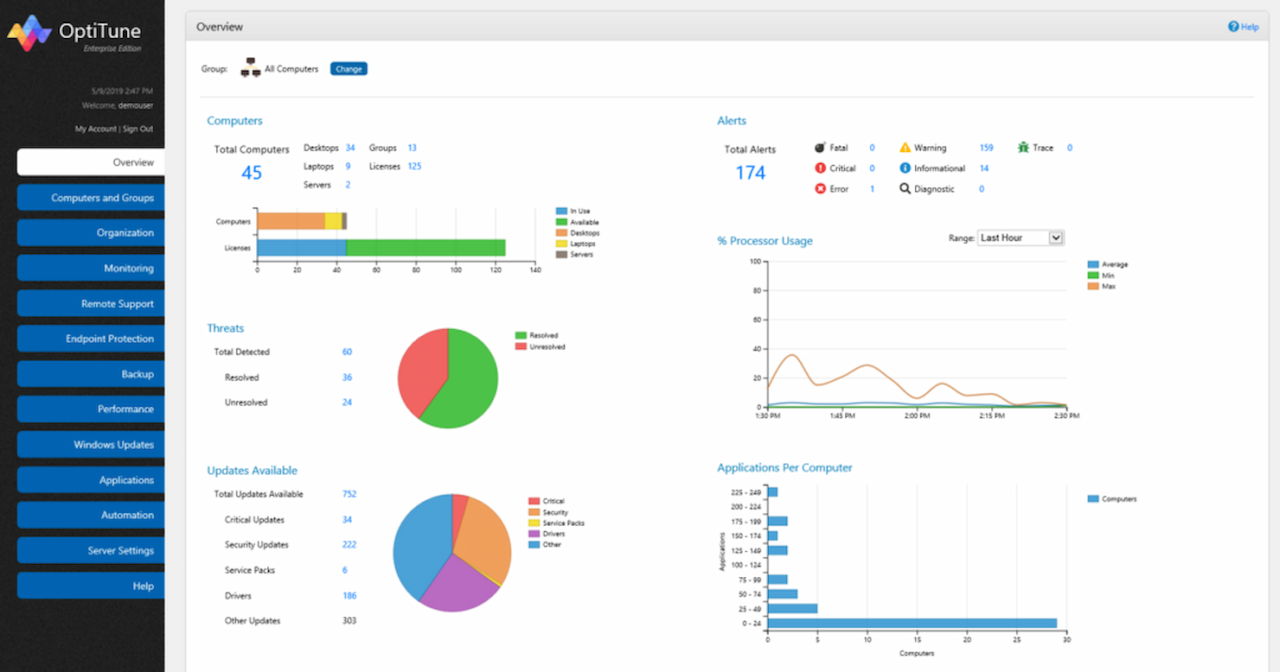
Choosing the right RMM (Remote Monitoring and Management) software is crucial for MSPs (Managed Service Providers). A poorly chosen solution can lead to inefficiencies, frustrated clients, and lost revenue. Careful consideration of key factors ensures a smooth implementation and a strong foundation for long-term success.
Selecting the right RMM software is not just about finding the most feature-rich option; it’s about aligning the software with your specific MSP needs and goals. Understanding the unique requirements of your clients and the capacity of your team will help you choose a solution that is both effective and manageable.
Scalability and Growth Potential
RMM software needs to grow with your MSP. A solution that can’t handle increasing client demands or future expansions will quickly become a bottleneck. Consider the number of clients you anticipate managing in the next few years. Look for software with scalable architecture, allowing you to add more users and features without significant disruption or cost increases. Some RMM solutions offer tiered pricing models that can accommodate growth.
Support and Training
Reliable technical support is vital for any software, especially one as complex as an RMM. Examine the vendor’s support options – phone, email, ticketing systems – and their response times. Thorough training materials, including online documentation, webinars, and potentially in-person workshops, will help your team efficiently utilize the software. Look for vendors with a strong reputation for responsive and helpful support. Positive reviews from other MSPs about the vendor’s support can be a strong indicator.
Integration Capabilities
Integrating your RMM with other essential tools, such as ticketing systems, accounting software, and communication platforms, is crucial for streamlining workflows. Evaluate the available APIs and integrations to ensure seamless data flow between applications. A well-integrated system reduces manual tasks and improves overall efficiency. Check for compatibility with existing tools and the ability to add new ones in the future.
Vendor Reputation and Reliability
A vendor’s reputation speaks volumes about their commitment to customer service and product quality. Research the vendor’s history, customer reviews, and any recent updates or announcements. Look for evidence of consistent product development, active community involvement, and strong customer relationships. A stable vendor with a proven track record is essential for long-term success.
Technical Support and Documentation
Thorough documentation is essential for a smooth transition and ongoing management of the RMM software. Evaluate the quality and completeness of the documentation, including user guides, FAQs, and knowledge bases. Contact the vendor and ask about their support channels and their typical response times. Look for positive feedback from other MSPs regarding the vendor’s documentation and support.
Vendor Comparison
| Vendor | Features | Reviews |
|---|---|---|
| Vendor A | Strong remote management capabilities, excellent ticketing system, multiple integrations | High customer satisfaction, consistently positive reviews regarding support |
| Vendor B | User-friendly interface, robust reporting tools, scalable pricing | Mixed reviews, some users report occasional support issues |
| Vendor C | Focus on security, extensive customization options, limited integrations | High praise for security features, but some customers report difficulty with integration |
RMM Software Features and Functionality
RMM software is crucial for MSPs, streamlining operations and boosting client satisfaction. It offers a centralized platform for managing multiple client systems, automating tasks, and providing insightful reporting. Understanding the core features and functionality is key to selecting the right solution for your MSP’s needs.
Essential features like remote access and monitoring are fundamental to effective client support and maintenance. Advanced capabilities, such as automation and ticketing systems, further enhance efficiency and client experience. Security monitoring tools play a critical role in proactively mitigating threats and protecting client data.
Remote Access and Monitoring
Remote access features enable MSP technicians to connect to and manage client systems remotely, eliminating the need for on-site visits in many situations. Monitoring tools track system performance, identify potential issues, and provide proactive support. This proactive approach often leads to fewer client disruptions and higher satisfaction.
- Remote Desktop Access: Allows technicians to access and control client computers remotely, ideal for troubleshooting, software installation, and general maintenance. For example, resolving a user’s application issue without needing to travel to the client’s location.
- System Monitoring: Real-time monitoring of key system metrics like CPU usage, disk space, and network performance. This helps predict potential issues and schedule preventative maintenance. A sudden spike in CPU usage might indicate a problem needing immediate attention.
- Software Updates and Patching: Automated deployment of critical updates and patches across multiple client systems. This feature prevents security vulnerabilities and ensures optimal system performance.
Automation and Ticketing Systems
Automation features streamline workflows, reduce manual effort, and improve response times. Ticketing systems provide a structured approach to managing client requests and support tickets, improving transparency and accountability.
- Automated Tasks: Automating routine tasks like software patching, security scans, and system backups can significantly reduce the workload for technicians and free up time for more complex issues. For instance, scheduling regular backups ensures data safety without manual intervention.
- Ticketing System: A central hub for managing client requests, support tickets, and communications. It provides a structured approach to resolving issues and improves transparency and accountability for all parties.
- Reporting and Analytics: Generate detailed reports on client system performance, support ticket resolution times, and technician activity. This data provides valuable insights into operational efficiency and areas needing improvement. Reporting might show that certain types of support requests are taking longer than others, indicating a need for training or process improvements.
Security Monitoring and Management
Security monitoring tools provide real-time insights into potential threats and vulnerabilities, allowing MSPs to react quickly to security incidents.
- Security Audits and Reporting: Regular security audits of client systems help identify vulnerabilities and weaknesses, ensuring proactive security measures are in place. This might reveal outdated software that needs updating or a lack of strong passwords that could be exploited.
- Threat Detection and Response: Real-time threat detection and response capabilities to identify and mitigate security breaches in a timely manner. For example, identifying and blocking malicious software or suspicious network activity immediately.
- Vulnerability Management: Regularly assess and manage system vulnerabilities to minimize potential security risks. This proactive approach reduces the chance of a successful attack on client systems.
Implementation and Integration
Implementing an RMM (Remote Monitoring and Management) solution for your MSP requires careful planning and execution. A smooth transition is key to maximizing the benefits of the software and minimizing disruption to your existing workflows. Successful implementation hinges on careful planning, meticulous execution, and effective training.
Choosing the right RMM solution is just the first step. Integration with existing tools and training your team are critical for a successful deployment. Effective onboarding ensures staff are proficient in using the software, maximizing its potential and minimizing downtime. A well-structured implementation plan is vital for avoiding complications and ensuring a positive user experience.
Implementation Steps, Best rmm software for msp
A phased approach to implementation is crucial for a smooth transition. Start with a pilot group, testing the software in a controlled environment before a full rollout. This allows for identifying and resolving potential issues before impacting all clients. Document the process thoroughly and ensure staff understand the changes.
- Assessment and Planning: Analyze existing workflows, identify areas where the RMM can improve efficiency, and create a detailed implementation schedule. This phase involves inventorying existing tools and understanding current client configurations.
- Pilot Program: Implement the RMM on a limited set of clients or servers to test functionality, identify any integration issues, and gather feedback from the pilot group.
- Full Deployment: Gradually roll out the RMM solution to all clients, ensuring proper communication and support to your team and clients. A well-defined communication plan should inform clients about the change and address any concerns.
- Post-Implementation Review: Evaluate the implementation’s success, gather feedback, and make necessary adjustments to improve processes and user experience. This stage includes measuring the impact of the RMM on efficiency and identifying areas for enhancement.
Integrating with Existing Tools
Integrating the RMM with existing MSP tools and technologies is essential for maximizing efficiency. This seamless integration streamlines workflows and reduces redundant tasks. This approach optimizes the value of the RMM by leveraging existing investments.
- API Integrations: Utilize Application Programming Interfaces (APIs) to connect the RMM to other software applications, such as ticketing systems, PSA (Professional Services Automation) platforms, and billing systems. This facilitates data exchange and automation, reducing manual effort.
- Custom Integrations: Consider custom integrations for complex or specialized needs. This might involve modifying existing scripts or developing new ones to meet unique requirements. This is typically necessary when existing APIs don’t provide sufficient functionality.
- Data Migration: Ensure a smooth data migration process from existing systems to the RMM. This involves careful planning, testing, and validation to avoid data loss or inconsistencies.
Training and Onboarding
Effective training and onboarding are vital for ensuring staff proficiency in using the RMM. Well-trained staff lead to better client service and improved operational efficiency.
- Comprehensive Training Modules: Provide thorough training materials, including tutorials, manuals, and hands-on exercises. This includes training on all software features and functionalities.
- Dedicated Support Channels: Establish a dedicated support team or resources for staff to address questions and troubleshoot issues. This may include FAQs, online forums, or direct support contact.
- Regular Check-ins: Schedule regular check-ins with staff to monitor their progress and address any challenges they encounter. These meetings provide an opportunity to provide ongoing support and address concerns.
Installation and Configuration Guide
This step-by-step guide Artikels the process of installing and configuring the RMM software.
- System Requirements Check: Verify that your systems meet the minimum requirements for the RMM software.
- Download and Installation: Download the RMM software installer and follow the on-screen instructions to install it on the designated servers.
- Configuration Settings: Configure the RMM settings, including account details, network configurations, and user roles.
- Testing and Validation: Thoroughly test the RMM software to ensure it functions correctly and integrates with existing tools.
- Documentation and Knowledge Base: Create a comprehensive knowledge base for your team to refer to during troubleshooting and usage.
Integration Options with Other Tools
| Tool | Integration Type | Compatibility |
|---|---|---|
| Ticketing System (e.g., Zendesk) | API | High, depending on Zendesk’s API and RMM |
| PSA (e.g., ConnectWise) | API/Custom | High, often with specific configurations needed |
| Billing System (e.g., Xero) | API | Medium to High, depending on the API maturity and features |
| Inventory Management (e.g., Fishbowl) | API/Custom | Medium, depending on the API and features |
Security and Compliance Aspects
Choosing an RMM for your MSP is a crucial decision, especially when considering the sensitive data you’ll be handling. Security and compliance are paramount. A robust RMM solution must protect client data and ensure adherence to industry regulations like HIPAA and GDPR. This section details the critical security features and compliance aspects to consider when selecting an RMM.
Security Features of RMM Software
RMM solutions offer various security features to protect client data and systems. These features often include encryption at rest and in transit, secure remote access protocols (like VPNs), and granular user access controls. Sophisticated RMMs employ multi-factor authentication (MFA) for enhanced account security. Regular security audits and vulnerability scanning are essential components of a robust security strategy. Different vendors provide different levels of security features. Evaluating these features is crucial to selecting an RMM that aligns with your security needs.
Importance of Compliance with Industry Regulations
Compliance with industry regulations like HIPAA, GDPR, and PCI DSS is critical for MSPs handling sensitive client data. Non-compliance can result in hefty fines, reputational damage, and legal repercussions. Choosing an RMM that supports compliance helps MSPs meet these standards. RMM solutions should allow for granular control over data access, encryption, and audit trails. These features are vital for ensuring data privacy and security, mitigating legal risks, and maintaining client trust.
How RMM Software Helps Meet Security and Compliance Standards
RMM software can significantly aid MSPs in meeting security and compliance standards. It facilitates remote access to client systems while enforcing security protocols. Features like automated security patching, vulnerability scanning, and reporting streamline compliance efforts. Many RMMs integrate with security information and event management (SIEM) tools for enhanced visibility into security events. This allows for faster detection and response to security threats, protecting clients’ systems and data.
Security Measures Implemented by Different RMM Vendors
Different RMM vendors implement various security measures. Some offer robust encryption protocols, while others emphasize multi-factor authentication (MFA). Specific features might include secure remote access protocols, regular security updates, and vulnerability scanning tools. A thorough vendor evaluation is necessary to determine the security measures offered by each RMM solution. The level of security controls offered can significantly vary between vendors, impacting the level of risk mitigated for your clients.
- Encryption: Data encryption at rest and in transit is a fundamental security feature. It protects sensitive data from unauthorized access.
- Access Control: Granular user access controls allow for secure management of access privileges to client systems.
- Remote Access: Secure remote access protocols like VPNs protect data during remote connections.
- Security Audits: Automated security audits help identify and address potential vulnerabilities in client systems.
- Multi-factor Authentication (MFA): MFA adds an extra layer of security to user accounts.
Auditing and Maintaining Security within an RMM System
Regular auditing and maintenance are essential for maintaining security within an RMM system. This involves periodic security assessments of the RMM itself and the client systems it manages. Comprehensive documentation of security procedures and incident response plans is crucial. Monitoring security logs and alerts allows for quick detection and response to potential threats. Regular updates and patches for the RMM software are critical to ensure ongoing security and prevent exploits.
Client Management and Support
RMM software significantly impacts how managed service providers (MSPs) interact with their clients. Effective client management is crucial for building strong relationships, ensuring client satisfaction, and ultimately driving business growth. An RMM platform allows for streamlined communication, efficient issue resolution, and a consistently positive client experience.
Excellent client support is a cornerstone of successful MSP operations. RMM solutions empower MSPs to manage client interactions effectively, track issues, and respond proactively, leading to happier clients and repeat business.
Improving Client Communication
RMM software enhances client communication by providing a central platform for all interactions. This centralized approach streamlines communication channels, preventing miscommunication and ensuring clients have a single point of contact. Features like automated alerts, real-time notifications, and customizable communication templates allow MSPs to promptly inform clients about system updates, service outages, and important notices.
Facilitating Client Interaction and Issue Resolution
Client portals within RMM software provide clients with self-service access to frequently asked questions (FAQs), knowledge bases, and support documentation. This empowers clients to resolve minor issues independently, reducing the workload on MSP support staff. Client portals also facilitate seamless communication, allowing clients to submit tickets, track their progress, and receive updates directly through the platform. This fosters a sense of control and transparency for clients, boosting their satisfaction.
Creating a Seamless Client Experience
A seamless client experience hinges on a well-structured support system. RMM software helps create this experience by automating routine tasks, such as ticket assignment and prioritization, freeing up support staff to focus on more complex issues. This prioritization and automated task allocation ensure that clients receive prompt and effective support. Moreover, standardized procedures and automated responses can ensure consistent levels of service across all client interactions.
Managing Client Tickets and Requests
RMM software provides robust ticket management features, allowing MSPs to track, prioritize, and resolve client issues efficiently. These systems often offer customizable ticket fields, enabling MSPs to capture detailed information about each request. Prioritization features based on urgency and impact allow MSPs to address critical issues quickly. The ability to assign tickets to specific technicians, track progress, and communicate updates to clients through the platform enhances the overall efficiency of the support process.
Use Case: Improved Client Support Response Times
A real-world example illustrates how RMM software improves response times. An MSP using a robust RMM system observed a significant decrease in average ticket resolution time after implementing automated ticket routing and prioritization features. Before the RMM implementation, average resolution time was 24 hours. Following the implementation, the average ticket resolution time dropped to 8 hours. This improvement resulted from a combination of factors, including automated ticket assignment, real-time monitoring of client issues, and streamlined communication. This significant decrease in response times demonstrates a quantifiable improvement in client satisfaction and service delivery, demonstrating the practical benefits of RMM software.
Cost Considerations and Return on Investment (ROI): Best Rmm Software For Msp
Choosing the right RMM software for your MSP is crucial, but understanding the associated costs and potential return on investment (ROI) is equally important. A well-calculated ROI helps justify the investment and ensures the software aligns with your business goals. Careful consideration of pricing models and potential long-term costs is vital to making a sound decision.
Understanding the financial implications of RMM software is essential for MSPs. This involves analyzing various pricing structures, potential hidden costs, and how to accurately estimate the return on investment. A clear picture of the financial impact allows MSPs to make informed decisions that drive profitability.
Licensing Fees
Licensing fees are a primary cost component of RMM software. These fees typically vary based on the number of users, the features included, and the level of support. Some vendors offer tiered licensing plans, enabling MSPs to choose packages that best fit their current needs and projected growth. It’s crucial to review the licensing agreements thoroughly to avoid any unforeseen costs down the road.
Support Contracts
Support contracts are another key cost consideration. These contracts often provide access to technical assistance, troubleshooting, and updates. MSPs need to carefully evaluate the level of support required and choose a contract that meets their specific needs. The level of support impacts the overall cost, as higher levels of support typically come with a premium. Consider whether 24/7 support is necessary for your business model.
Implementation and Training Costs
Implementing RMM software can involve setup costs, configuration time, and training for your team. Factors like the complexity of the software, the technical expertise of your staff, and the time required for onboarding all affect implementation costs. Invest in thorough training to ensure your team can effectively utilize the software. Don’t overlook the time investment for initial setup and staff training, which can impact the initial ROI timeline.
Calculating ROI
Determining the ROI of an RMM software investment requires careful analysis of the associated costs and benefits. One approach is to assess the potential cost savings from reduced downtime, increased efficiency, and improved customer service. A critical element is to track metrics like average resolution time for support tickets, reduction in client service issues, and any increase in client retention.
ROI = (Benefits – Costs) / Costs
Calculate the total costs, including licensing fees, support contracts, implementation costs, and training. Estimate the benefits, such as improved productivity, reduced downtime, and increased customer satisfaction. Using the formula above, determine the ROI percentage to gauge the financial impact of the software investment.
Pricing Models
RMM software pricing models vary considerably. Some vendors use a per-user pricing model, while others offer tiered packages with increasing feature sets and support levels. Some also employ a subscription-based model, with recurring monthly or annual payments. Analyzing these models helps in selecting a pricing strategy that aligns with the MSP’s budget and growth trajectory.
Example ROI Calculation
Let’s consider a hypothetical MSP, “Tech Solutions,” that implements an RMM solution. They had 10 clients and anticipate a 10% reduction in downtime for each client.
| Cost | Amount |
|---|---|
| Licensing Fees (annual) | $5,000 |
| Support Contract (annual) | $2,000 |
| Implementation & Training | $1,000 |
| Total Annual Cost | $8,000 |
| Benefit | Amount |
|---|---|
| Reduced Downtime (per client, per year) | $1,000 |
| Increased Efficiency (per client, per year) | $500 |
| Total Annual Benefit | $15,000 |
ROI = ($15,000 – $8,000) / $8,000 = 87.5%
This example demonstrates how a reduction in downtime and increased efficiency can significantly impact the ROI. The factors influencing cost-effectiveness include the size of the client base, the complexity of the network, and the support requirements.
Case Studies and Success Stories
Real-world examples of MSPs successfully leveraging RMM software showcase its tangible benefits. These case studies demonstrate how RMM solutions can streamline operations, enhance client satisfaction, and drive significant ROI. By examining successful implementations, MSPs can gain valuable insights into the potential for improving their own efficiency and profitability.
Successful RMM implementations aren’t just about the software itself; they’re about strategic deployment and effective integration with existing workflows. These case studies highlight the importance of choosing the right RMM for specific needs, coupled with meticulous planning and training for staff.
Examples of Improved MSP Operations
Implementing RMM software often leads to noticeable improvements across various aspects of MSP operations. These include reduced downtime, faster response times to client issues, and improved resource allocation. RMMs automate routine tasks, freeing up technicians to focus on more complex problems and client-facing activities.
Success Stories by Industry
- Healthcare: A mid-sized MSP specializing in healthcare facilities reported a 30% reduction in support tickets and a 25% decrease in average resolution time after implementing an RMM. This improvement resulted in happier clients and a more efficient workflow. The RMM’s centralized reporting capabilities enabled the MSP to better track and address potential security risks in healthcare systems, aligning with HIPAA compliance requirements. This efficiency boost also freed up staff to concentrate on proactive security measures, such as vulnerability assessments and regular security audits.
- Retail: An MSP supporting retail chains saw a 15% increase in client satisfaction ratings after adopting an RMM. Real-time monitoring capabilities helped the MSP identify and resolve network issues promptly, minimizing disruption to retail operations. This translated to happier clients and a more seamless shopping experience for customers. The RMM’s remote access features enabled technicians to resolve critical issues quickly, improving customer satisfaction and reducing operational costs.
- Financial Services: An MSP serving financial institutions used an RMM to enhance security posture and improve compliance. The RMM’s robust security features and automated reporting tools helped the MSP meet strict regulatory requirements. This led to increased trust and confidence from clients, ultimately fostering stronger business relationships. The centralized reporting features facilitated quicker audits, allowing for faster and more efficient compliance checks.
Success Stories by Client Size
- Small Businesses: An MSP serving small businesses reported significant cost savings and improved efficiency after implementing an RMM. The RMM automated routine tasks, freeing up technicians to focus on more complex client issues. The reduction in response time to support tickets directly impacted client satisfaction, fostering stronger business relationships. The ability to monitor and manage multiple small business clients simultaneously, enabled the MSP to maintain efficiency and competitiveness in the market.
- Medium-Sized Businesses: A medium-sized MSP serving SMBs (Small and Medium-sized Businesses) experienced a 20% reduction in average resolution time for support tickets. This improved client satisfaction and enabled technicians to handle more complex client issues, increasing their perceived value to the business. The centralized reporting capabilities of the RMM also allowed for easier tracking of client activity and support tickets, leading to more efficient workflows and improved business operations.
- Large Enterprises: A large enterprise MSP serving major corporations saw a 10% increase in profitability after implementing an RMM. The RMM’s advanced features allowed the MSP to manage complex IT infrastructures more efficiently. This translated to improved client satisfaction, higher client retention rates, and enhanced brand reputation. The ability to provide 24/7 remote support to multiple clients and track their activity streamlined the support process and improved client service delivery.
FAQ Overview
Best rmm software for msp – What are the common integration options for RMM software?
Many RMM solutions integrate with other crucial MSP tools, such as ticketing systems, billing platforms, and help desk software. Integration options often vary depending on the specific RMM vendor and the desired tool. Check the vendor’s documentation for a detailed list of compatible tools.
How can RMM software improve client communication and support?
RMM software often includes features that streamline client communication and issue resolution. These include remote access to troubleshoot issues, automated reporting on client systems, and integrated ticketing systems to track and manage client requests efficiently.
What are some common pricing models for RMM software?
RMM software pricing models often vary, including per-user licensing, per-device licensing, or tiered pricing based on features and functionality. Support contracts and add-on features can also influence the overall cost.
How do I calculate the ROI of an RMM software investment?
Calculating ROI involves considering factors like reduced support costs, increased efficiency, and improved client satisfaction. Quantify the savings from reduced troubleshooting time, the revenue from new services offered, and the improvements in client retention. Compare these figures to the software’s total cost to determine the ROI.