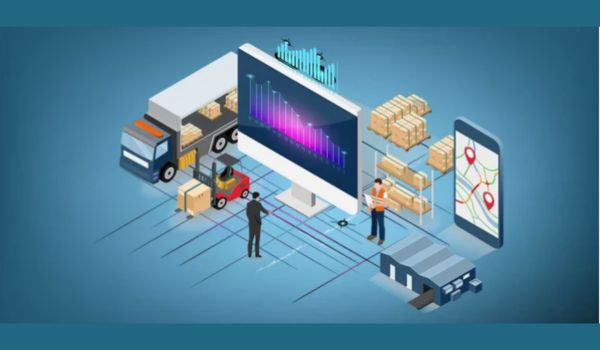
In today’s fast-paced, interconnected world, efficient logistics operations are no longer a luxury—they’re a necessity. Whether you’re a small business shipping products locally or a large corporation managing a complex global supply chain, optimizing your logistics can significantly impact your bottom line. This article delves into 15 Strategies for Optimizing Logistics Operations, and improve customer satisfaction. From leveraging technology to fostering collaboration, these strategies offer a roadmap to achieving logistics excellence.
1. Embrace Technology and Automation: Strategies for Optimizing Logistics Operations

The digital revolution has transformed logistics. Implementing advanced technologies like Transportation Management Systems (TMS), Warehouse Management Systems (WMS), and Enterprise Resource Planning (ERP) systems is paramount. These systems offer real-time visibility, automated tracking, and data-driven insights, empowering you to make informed decisions and optimize processes. Beyond software, explore automation through robotics, automated guided vehicles (AGVs), and conveyor systems within your warehouses to boost efficiency and reduce manual errors. This technological integration is not just a trend; it’s the future of logistics.
- Key Features: Real-time tracking, automated reporting, inventory management, route optimization
- Location Perks: Enhanced visibility across the supply chain, improved decision-making, reduced operational costs
2. Optimize Warehouse Layout and Operations: Strategies for Optimizing Logistics Operations
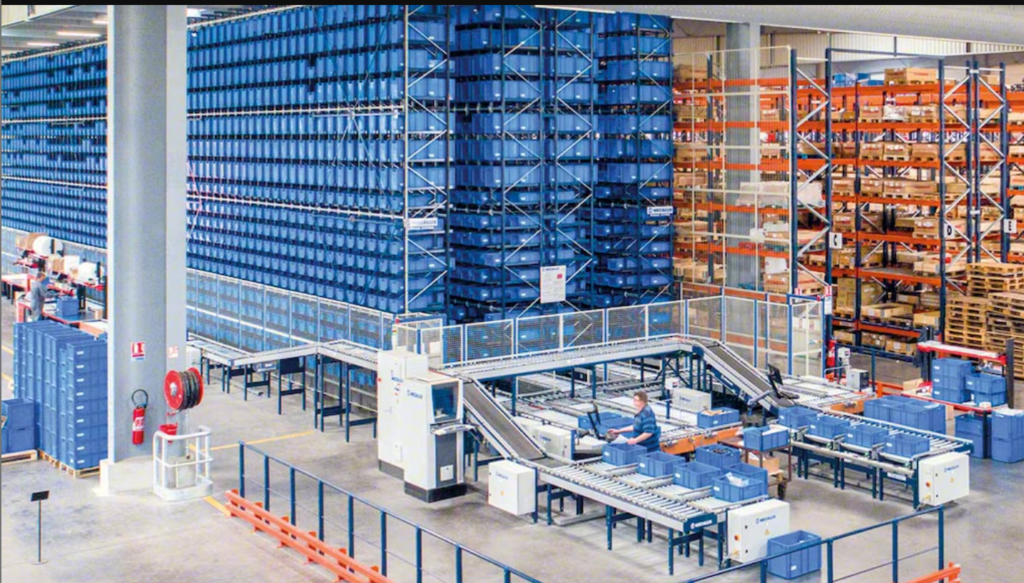
Your warehouse is the heart of your logistics. A well-designed layout can significantly impact efficiency. Consider factors like product flow, picking and packing processes, and storage strategies. Implement strategies like cross-docking, lean warehousing, and ABC analysis to optimize space utilization and minimize movement. Regularly review and adjust your warehouse layout as your business evolves to maintain peak performance. A streamlined warehouse translates to faster order fulfillment and reduced operational costs.
- Key Features: Efficient product flow, optimized storage, streamlined picking and packing, minimized movement
- Location Perks: Increased storage capacity, faster order fulfillment, reduced handling costs, improved safety
3. Implement Inventory Management Best Practices: Strategies for Optimizing Logistics Operations

Efficient inventory management is crucial for minimizing holding costs and preventing stockouts. Implement techniques like Just-in-Time (JIT) inventory, demand forecasting, and cycle counting to maintain optimal inventory levels. Utilize inventory management software to track stock levels, automate replenishment processes, and gain insights into inventory performance. A well-managed inventory ensures you have the right products at the right time, minimizing disruptions and maximizing customer satisfaction.
- Key Features: Real-time stock tracking, automated replenishment, demand forecasting, cycle counting
- Location Perks: Reduced holding costs, minimized stockouts, improved order fulfillment, enhanced demand planning
4. Streamline Transportation Management: Strategies for Optimizing Logistics Operations
Transportation is a significant component of logistics costs. Optimize your transportation management by implementing route planning software, consolidating shipments, and negotiating favorable rates with carriers. Explore different transportation modes (truck, rail, air, sea) to find the most cost-effective and efficient options for your specific needs. Leveraging technology to track shipments in real-time and manage transportation data effectively is essential for maximizing efficiency.
- Key Features: Route optimization, shipment consolidation, carrier management, real-time tracking
- Location Perks: Reduced transportation costs, faster delivery times, improved customer service, enhanced visibility
5. Leverage Data Analytics and Business Intelligence: Strategies for Optimizing Logistics Operations
Data is a powerful tool for optimizing logistics. Utilize data analytics and business intelligence tools to gain insights into your logistics operations. Track key performance indicators (KPIs) like order fulfillment rates, on-time delivery percentages, and inventory turnover ratios. Analyze this data to identify bottlenecks, optimize processes, and make data-driven decisions. Embracing data-driven decision-making is crucial for continuous improvement in logistics.
- Key Features: KPI tracking, performance analysis, predictive analytics, data visualization
- Location Perks: Improved decision-making, identification of bottlenecks, optimized processes, enhanced performance
6. Foster Collaboration and Communication: Strategies for Optimizing Logistics Operations
Effective communication and collaboration are essential for seamless logistics operations. Foster strong relationships with your suppliers, carriers, and other stakeholders. Implement communication tools and platforms to facilitate information sharing and real-time updates. A collaborative approach ensures everyone is on the same page, minimizing delays and improving overall efficiency.
- Key Features: Shared platforms, real-time updates, collaborative planning, open communication channels
- Location Perks: Improved relationships with stakeholders, enhanced communication, reduced delays, increased efficiency
7. Implement a Robust Returns Management Process: Strategies for Optimizing Logistics Operations
A well-defined returns management process is crucial for customer satisfaction and cost control. Streamline your returns process by providing clear instructions, offering flexible return options, and processing returns quickly and efficiently. Analyze return data to identify trends and address underlying issues to minimize future returns. A smooth returns process enhances customer experience and reduces the financial impact of returns.
- Key Features: Clear return policies, flexible options, efficient processing, data analysis
- Location Perks: Increased customer satisfaction, reduced return costs, improved brand reputation, valuable insights
8. Focus on Customer Service
Excellent customer service is a key differentiator in today’s competitive market. Provide customers with accurate and timely information about their orders, offer proactive updates, and address any issues promptly. Implement customer service tools and platforms to manage inquiries and provide personalized support. Exceptional customer service builds loyalty and drives repeat business.
- Key Features: Proactive updates, personalized support, efficient communication, timely responses
- Location Perks: Increased customer satisfaction, enhanced brand loyalty, positive word-of-mouth, repeat business
9. Embrace Sustainable Logistics Practices
Sustainability is becoming increasingly important in logistics. Implement eco-friendly practices like optimizing routes to reduce fuel consumption, using alternative fuels, and minimizing packaging waste. Explore green transportation options and encourage sustainable practices throughout your supply chain. Embracing sustainable logistics not only benefits the environment but also enhances your brand image.
- Key Features: Route optimization, alternative fuels, waste reduction, green transportation
- Location Perks: Reduced environmental impact, enhanced brand reputation, cost savings, compliance with regulations
10. Implement Risk Management Strategies
Logistics operations are susceptible to various risks, including disruptions in the supply chain, natural disasters, and geopolitical events. Develop a robust risk management plan to identify potential risks, assess their impact, and implement mitigation strategies. Diversify your suppliers, establish contingency plans, and invest in insurance to protect your business from unforeseen events. Proactive risk management ensures business continuity and minimizes disruptions.
- Key Features: Risk assessment, contingency planning, supplier diversification, insurance coverage
- Location Perks: Minimized disruptions, business continuity, reduced financial impact, enhanced resilience
11. Outsource Non-Core Logistics Functions
Consider outsourcing non-core logistics functions like warehousing, transportation, or order fulfillment to third-party logistics providers (3PLs). 3PLs specialize in these areas and can often provide more efficient and cost-effective solutions. Outsourcing allows you to focus on your core business activities and leverage the expertise of logistics professionals.
- Key Features: Specialized expertise, cost-effective solutions, focus on core business, scalability
- Location Perks: Reduced operational costs, improved efficiency, access to advanced technology, enhanced flexibility
12. Continuously Improve Processes
Logistics is a dynamic field, and continuous improvement is essential for staying ahead. Regularly review your logistics processes, identify areas for improvement, and implement changes. Encourage feedback from your team and stakeholders to identify opportunities for optimization. A culture of continuous improvement ensures your logistics operations remain efficient and competitive.
- Key Features: Process review, performance monitoring, feedback mechanisms, continuous learning
- Location Perks: Increased efficiency, reduced costs, improved customer satisfaction, competitive advantage
13. Invest in Employee Training and Development
Your employees are your most valuable asset. Invest in training and development programs to enhance their skills and knowledge in logistics. Provide training on new technologies, best practices, and safety procedures. A well-trained workforce is more productive, efficient, and contributes to a positive work environment.
- Key Features: Skills development, knowledge enhancement, safety training, professional development
- Location Perks: Increased productivity, improved efficiency, reduced errors, enhanced safety
14. Leverage Cross-Docking for Faster Fulfillment
Cross-docking is a logistics strategy that involves receiving products at a warehouse and immediately shipping them to customers without storing them. This method significantly reduces storage time and speeds up order fulfillment. Cross-docking is particularly effective for products with high demand and short shelf lives.
- Key Features: Immediate shipping, reduced storage time, faster fulfillment, improved product flow
- Location Perks: Reduced storage costs, faster delivery times, improved customer satisfaction, increased efficiency
15. Implement a Lean Logistics Approach
Lean logistics focuses on eliminating waste and maximizing value in the logistics process. Identify and eliminate non-value-added activities, streamline processes, and optimize resource utilization. A lean approach improves efficiency, reduces costs, and enhances customer satisfaction.
- Key Features: Waste reduction, process optimization, resource efficiency, value maximization
- Location Perks: Reduced costs, improved efficiency, increased customer satisfaction, enhanced competitiveness
By implementing these 15 strategies, you can transform your logistics operations, gain a competitive advantage, and achieve sustainable growth. Remember that optimizing logistics is an ongoing process, and continuous improvement is key to success in this dynamic field.